
Driveway Paving
New installation, replacement, and resurfacing for township homes.
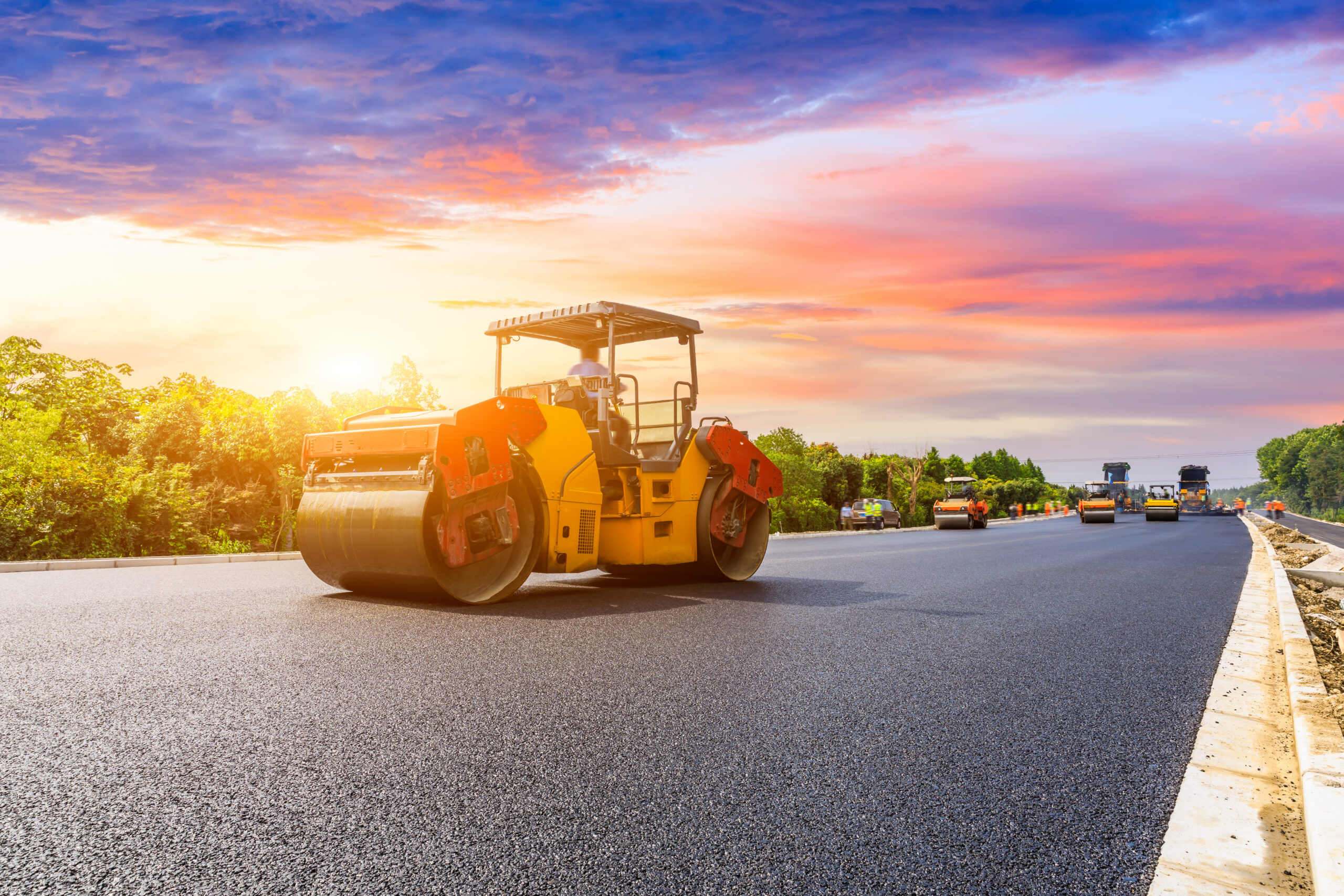
Driveways, parking lots, and private roads across Warrington Township — from the developments off Bristol Road to the retail and office lots along 611 and Street Road. Family-owned, twenty minutes out, and on the job ourselves.
Much of Warrington’s housing stock went in through the development booms of the last few decades, which means a great many driveways here were laid within a fairly narrow window — and are now arriving at the end of their first life at roughly the same time.
That produces a specific pattern of work. Drives that were never sealed are ravelling and cracking on schedule. Drives that were maintained are candidates for a resurface rather than a rebuild. And the ones built on a thin base during a busy construction period are showing alligator cracking well before they should. Which of those three you have determines what the job costs, and it is worth establishing before you collect quotes.
Warrington has considerably more commercial pavement than most townships its size — the retail along Easton Road and Street Road, the office and medical parks, and the church and school lots. Those are phased jobs: nobody closes a shopping centre lot to pave it, so the work happens in sections and frequently outside trading hours.
Plenty of Warrington developments have private roads maintained by an association rather than the township. Those need a different conversation — a multi-year plan an association can budget and vote on, rather than a single number presented at a meeting.
New installation, replacement, and resurfacing for township homes.
Retail, office, medical, and institutional lots, phased around trading hours.
Crack filling and sealing on a two-to-three year cycle.
Potholes, cracking, and failed sections rebuilt from the base.
Community roads with multi-year plans an association can budget from.
Excavation, grading, and drainage before paving.
We work the township regularly and can usually be out to look within a few days. Call (215) 997-1258.
It depends entirely on the base, not the age. If the surface is grey and cracked but the drive is not deflecting under a car and has no sunken areas, a resurface will very likely serve — and costs roughly half a replacement. If you are seeing alligator cracking across large areas, the base is flexing and a new surface over it will crack through within a couple of years.
We will look and tell you which, and we will say so plainly if resurfacing is the better buy.
Replacing an existing driveway in its footprint generally does not require one. A new access, a widened apron, or a change to drainage usually does. Access onto a state route such as 611 or 132 additionally needs a PennDOT highway occupancy permit. Confirm with the township before work is scheduled — requirements do change.
Not entirely, but close. We phase in sections so most parking stays open, and for retail we frequently work evenings and Sundays. The section being paved is out for the day plus 24 hours; the rest of the lot trades normally. We plan the sequence with you in advance so tenants can be told.
Yes, and we will present it in a form an association can actually use — a condition assessment, a phased plan across two or three seasons, and per-phase pricing, so a board has something to vote on rather than a single intimidating figure.
Tell us what you're working with and we'll get back to you within one business day — usually faster. Or skip the form and call (215) 997-1258.