
Excavation
Stripping, cut and fill, and bulk excavation for drives, lots, and additions.
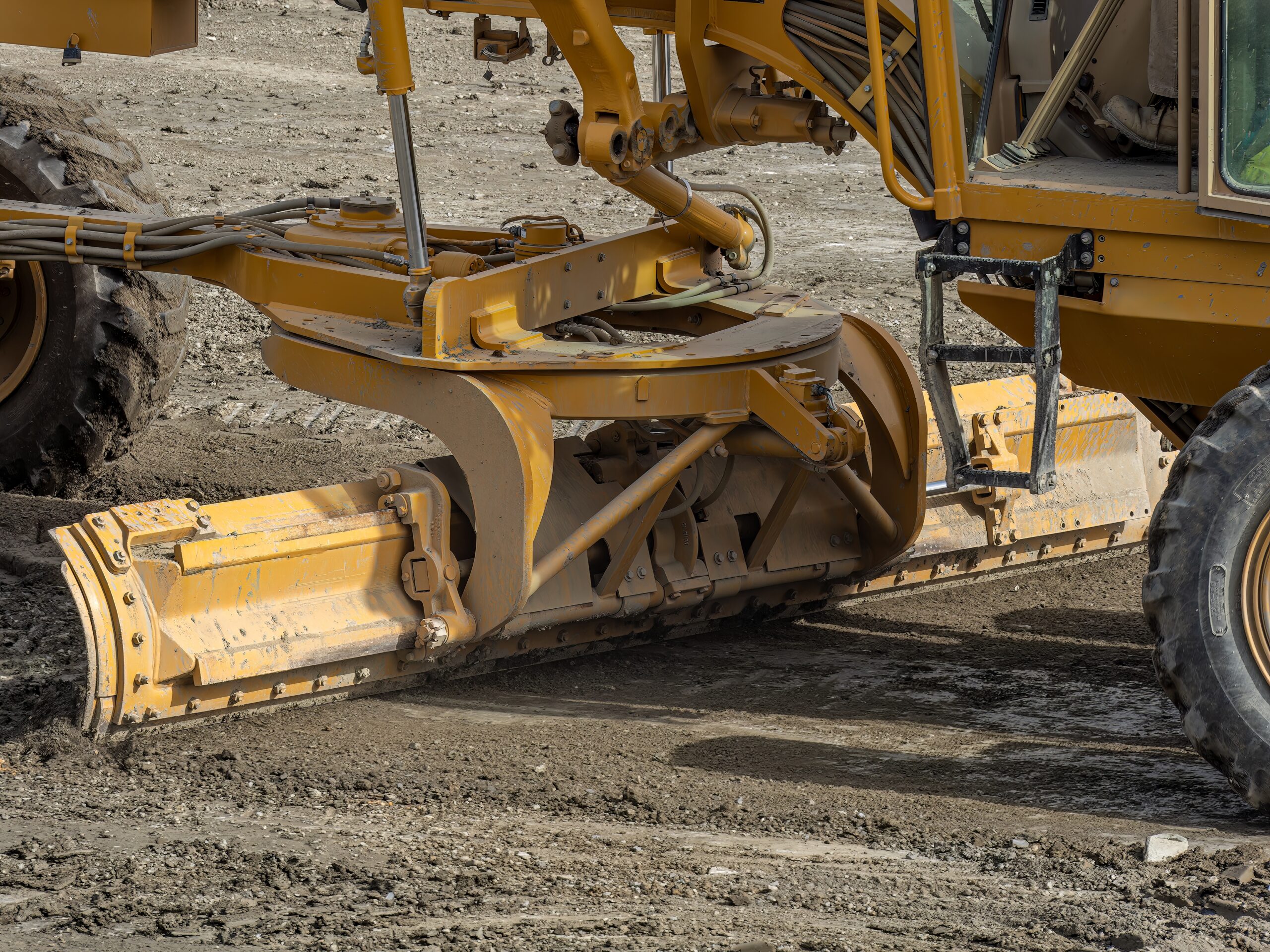
Excavation, grading, and drainage for Doylestown properties — the groundwork that decides whether what goes on top of it lasts. Clay soils, long approaches, and water that has to end up somewhere sensible.
Much of the ground around Doylestown Township is clay-heavy. It holds water rather than draining it, softens badly when saturated, and heaves when it freezes. Any structure built on it — driveway, lot, patio, addition — depends on that being accounted for rather than discovered.
Which in practice means two things: base depths sized for the soil rather than to a standard, and a genuine plan for where water goes. Grading is really a decision about drainage for the next thirty years dressed up as moving dirt around.
Excavation, cut and fill, finished grading, swales and french drains, base preparation, demolition and removal, and gravel drives and lanes. Where a job needs a stormwater design or a survey for permitting, that comes from a licensed engineer and we build to it — we will flag early if yours is one of those, because finding out late is what blows schedules.
Doylestown Borough and Doylestown Township are separate authorities with separate requirements, and earth disturbance thresholds differ between municipalities across the county. Anything creating a new access onto a state route also needs a PennDOT highway occupancy permit.
Stripping, cut and fill, and bulk excavation for drives, lots, and additions.
Finished grades with positive fall away from structures and no low spots.
Swales, french drains, trench drains, and downspout runs.
Stone placed and compacted in lifts, sized to clay rather than to a standard.
Old asphalt, concrete, and stone taken out and recycled where possible.
Stone drives and farm lanes graded, crowned, and compacted.
We will walk it, tell you what it actually needs, and quote the groundwork and the paving together. Call (215) 997-1258.
Usually. Depending on the cause it is either a regrade to create fall, a swale to intercept and redirect, or a french drain where there is nowhere to grade toward. What we cannot do is make water run uphill — occasionally the honest answer is a piped drain to a discharge point, which is a larger job than people are hoping for.
It depends on how much earth is being disturbed and whether you are changing drainage or creating a new road access. Doylestown Borough and Doylestown Township have separate requirements, so which applies depends on where you sit. A new access onto a state route also requires a PennDOT permit. We will tell you what we think is triggered; the municipality is the authority.
Clay holds water instead of draining it. Saturated clay loses strength, so the base above it settles unevenly, and when it freezes it expands and lifts. Building on it means either a deeper stone base, a geotextile separation layer, or a drainage solution that keeps the water away — often some combination. Building on it as though it were free-draining soil is why driveways in the area crack early.
Yes, and that is rather the point. When one contractor is responsible for both the ground and the surface, there is no argument about whose fault a settlement is. It also means the base gets built for the pavement going on top of it.
Tell us what you're working with and we'll get back to you within one business day — usually faster. Or skip the form and call (215) 997-1258.